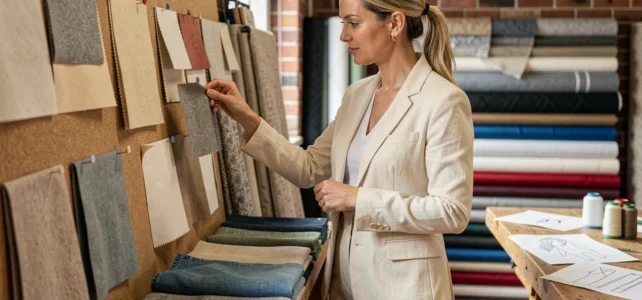
Textiles are not limited to rolls of fabric stacked in a workshop. It refers to a set of materials, processes, and know-how that structure the production of clothing, accessories, and technical products used well beyond fashion. Natural, synthetic, and blended fibers: each composition determines the drape, durability, and comfort of a finished product. Understanding this field means grasping the chain that connects a raw material to a garment worn daily.
ESPR Regulation and Digital Passport: What Changes for European Textiles
The European regulation ESPR (Ecodesign for Sustainable Products Regulation, EU 2024/1781), which came into effect on July 18, 2024, now imposes ecodesign as a legal obligation for almost all physical products, including textiles and footwear. The delegated acts specific to textiles, expected by 2030, will set precise requirements regarding sustainability, reparability, recycled content, and environmental performance.
The most concrete aspect for the fashion sector remains the Digital Product Passport. Accessible via QR code, this document will centralize the composition, carbon footprint, reparability, and recycling pathways of each textile item. A European register of digital passports is expected to become operational in July 2026, with obligations for textiles anticipated from 2027-2028.
For style offices, buyers, and R&D teams, this means rethinking design from the outset. Choosing a fiber or dyeing process now engages the regulatory compliance of the finished product. Brands working with subcontractors outside the European Union will need to demand complete traceability, or risk being unable to market their collections in the European market.
Exploring the characteristics of the textile field allows one to measure how much this regulation affects every link in the chain, from spinning to distribution.
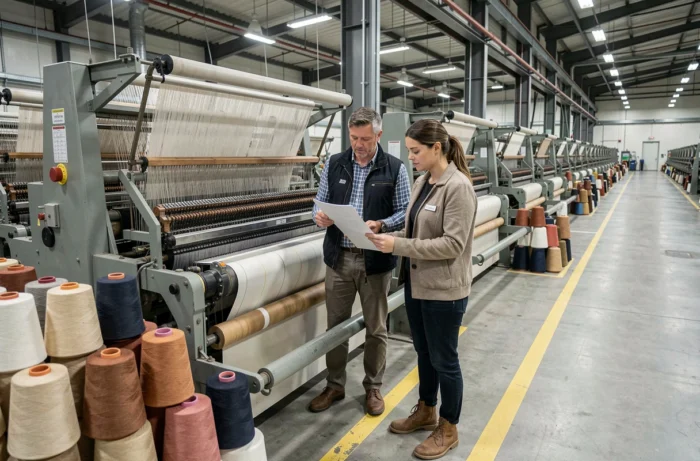
Natural, Synthetic, Bio-sourced Fibers: Properties That Shape Fashion
Cotton, linen, wool, silk: natural fibers remain the historical foundation of textiles. Their absorbency, breathability, and feel make them suitable for garments worn directly against the skin. However, they have limitations in terms of abrasion resistance or quick drying.
Synthetic fibers (polyester, polyamide, elastane) meet different requirements. They offer lightness, elasticity, and mechanical strength, which explains their omnipresence in sportswear and technical clothing. However, their production relies on petrochemical derivatives, a major point of tension against the decarbonization goals of the sector.
In recent years, a third category has been gaining strength: bio-sourced and recycled textiles. The French textile sector has positioned itself as a leader in the sale of bio-sourced materials at the European level, according to data from the Skills Observatory of the industries. These materials attempt to combine the qualities of natural fibers (biodegradability) with the performance of synthetics (strength, uniformity).
Why the Choice of Fiber Conditions the Entire Life Cycle
A fiber is not judged solely on its comfort when worn. Its dyeability, compatibility with mechanical or chemical recycling processes, and compliance with future ESPR requirements now weigh equally in material purchasing decisions. A recycled polyester jersey does not recycle the same way as an organic cotton jersey, and the end-of-life treatment pathways differ radically.
The mixing of fibers complicates recycling. A t-shirt made of 60% cotton and 40% polyester poses a technical problem: separating these two materials at the end of life remains costly and poorly industrialized. This observation pushes some brands to revert to mono-material compositions to anticipate regulatory constraints.
Technical Textiles: When Fashion Meets Industry
Textiles are not limited to clothing. So-called “smart” and technical fabrics represent a rapidly expanding segment where France holds a strong position. The French textile sector is a global leader in the assembly and sale of technical textiles, particularly in the following areas:
- Medical textiles (active dressings, implants, therapeutic compression garments)
- Composite materials for aerospace (aircraft wings, fuselage) and automotive (seats, door trims)
- Fire-resistant textiles and geosynthetics used in construction and civil protection
These applications show that textile expertise far exceeds the scope of fashion. A textile engineer working on a fire-resistant fabric mobilizes the same fundamental knowledge (mechanical strength, thermal behavior, fiber-finish interaction) as a pattern maker designing a ready-to-wear jacket. Field feedback diverges on whether current training adequately prepares for this versatility.

Ban on Destroying Unsold Goods: A Turning Point for Textile Production in France
French regulations now prohibit the destruction of unsold non-food items, including textiles. This measure, stemming from the anti-waste law, requires brands to donate, recycle, or repurpose their dormant stocks instead of sending them to landfills or incineration.
The consequences on the production chain are direct. Brands adjust their order volumes, shorten their runs, and invest in demand forecasting tools. Producing less but better becomes a legal constraint, not just a marketing argument.
For textile players in France, this regulatory pressure coincides with a repositioning towards high-end and high-value-added products. French companies have managed to conquer technical and innovative markets where entry-level textiles remain dominated by low-cost production countries.
What This Changes for Textile Professions
Traceability, life cycle analysis, and material flow management are becoming sought-after skills. Traditional professions (pattern maker, prototyper, dyer) are now accompanied by new requirements regarding environmental data and compliance. Mastering manufacturing is no longer enough without understanding the regulations that govern the product from its design to its end of life.
The textile field is undergoing a period of rapid reorganization. Between European ecodesign obligations, the ban on destroying unsold goods, and the rise of technical textiles, the skills required are evolving faster than training programs. Companies that anticipate these changes by integrating traceability and mono-material from the design phase are positioning themselves in the most promising markets of the coming decade.